The impact of deepfakes and how countries fight back
AI deepfakes are turning faces, voices and identities into scalable targets for fraud, impersonation and commercial abuse. Countries are starting to respond, but brands and rights holders cannot wait for legislation alone.
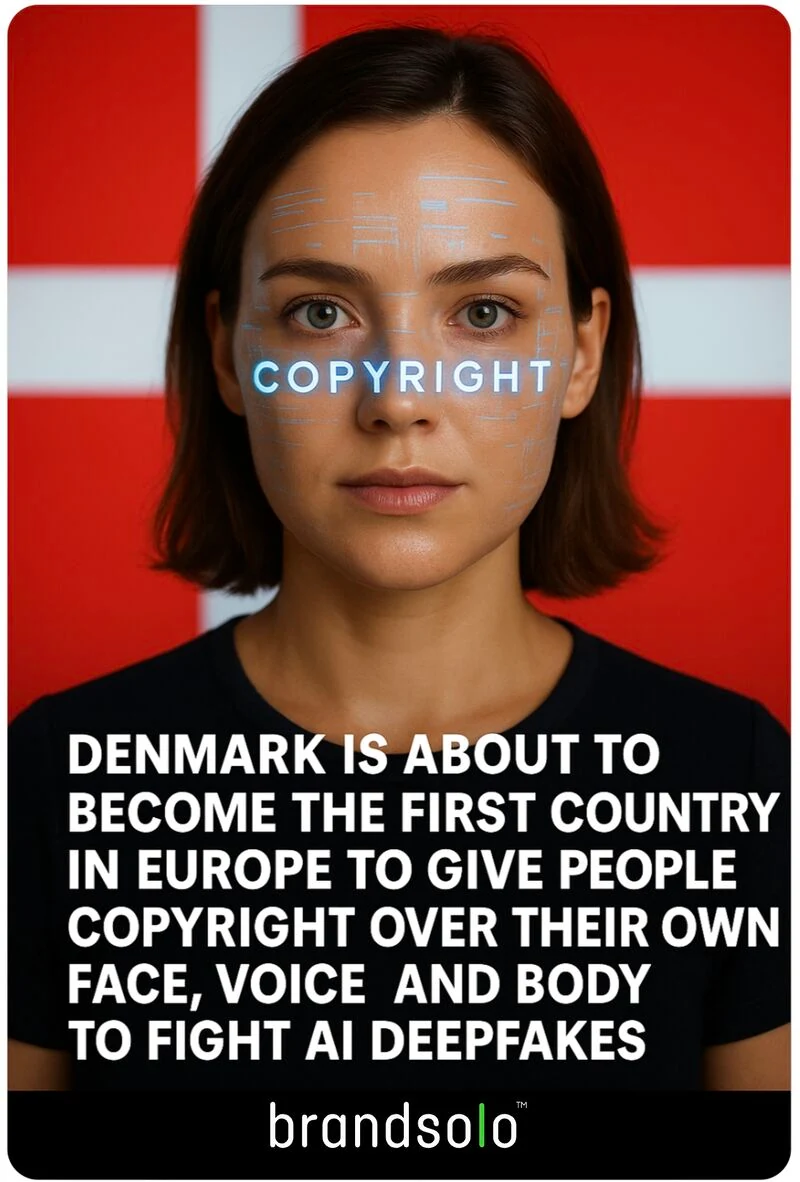
Deepfakes are no longer a niche AI experiment. Faces, voices and identities can now be copied, scaled and monetised without consent, creating new risks for brands, artists, public figures and rights holders.
Countries are starting to respond with new legal proposals and enforcement frameworks. But legislation alone will not solve the problem. The real challenge is detecting harmful content fast enough, proving the abuse and removing it before trust and revenue are damaged.
Why deepfakes are becoming a commercial risk
A fake face, cloned voice or synthetic endorsement can travel across social media, search, scam domains, marketplaces and paid ads before a legal team has even seen the first alert. That makes identity abuse a practical brand protection issue, not just a legal or policy debate.
- A cloned CEO voice can be used in fraud or fake investment messages.
- A synthetic artist endorsement can push counterfeit merchandise.
- A fake athlete video can promote scam products or unauthorised sellers.
- A copied face can be used on fake ads, fake webshops or impersonation domains.
- A viral deepfake can travel faster than traditional legal processes can respond.
How countries are starting to fight back
Denmark put forward one of Europe’s clearest proposals to give people more control over realistic AI generated imitations of their face, voice and body. Whether through copyright, identity rights or platform regulation, the direction is clear: countries are starting to treat deepfakes as a real enforcement problem.
Other countries are approaching the issue through privacy law, publicity rights, platform rules, election integrity, fraud prevention and AI regulation. The legal routes differ, but the underlying challenge is the same: synthetic identity abuse can scale faster than traditional enforcement.
The legal right is only half the solution
New rights help, but rights only become useful when they can be enforced. A brand still needs monitoring, evidence capture, platform specific reporting, escalation routes and follow up checks to confirm whether harmful content has actually disappeared.
This is where many organisations underestimate the problem. They treat deepfakes as a legal question, while the real bottleneck is operational speed. The faster fake content spreads, the more commercial damage it can create.
What brands and rights holders should prepare now
- Define which people, artists, athletes, executives and ambassadors require active protection.
- Map where identity abuse is most likely to appear, including social platforms, search, scam domains, marketplaces and paid ads.
- Create clear internal rules for what counts as parody, commentary, infringement, impersonation or fraud.
- Prepare takedown evidence workflows before a crisis happens.
- Monitor repeat offenders and new domains after removals, because deepfake abuse rarely stops after one takedown.
Brandsolo’s view
AI is a powerful tool, including for brand protection. But the same technology that helps brands scale enforcement also helps bad actors scale imitation, impersonation and fraud.
That is why deepfake enforcement should sit next to counterfeit merchandise removal, scam domain detection and impersonation monitoring. The common thread is simple: customers, fans and partners need to know what is official and what is fake.
For brands, artists and rights holders, the next phase of protection is not only about protecting logos or trademarks. It is about protecting trust, identity and commercial intent across the open web.