Justdiggit
Protecting an NGO brand from copycat storytelling
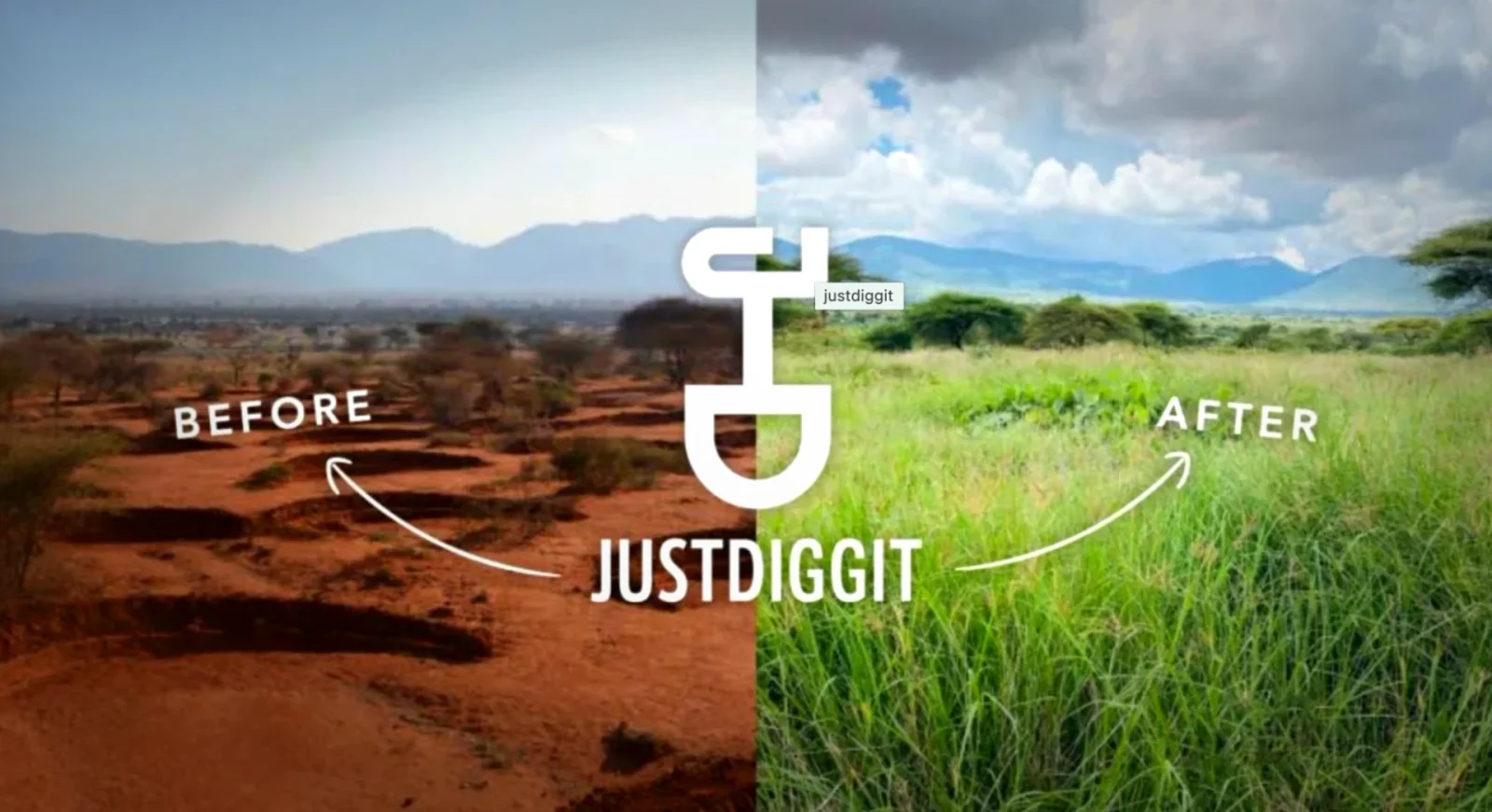
A third party organisation used a very similar name, restoration language, Justdiggit-owned visuals and African impact imagery in a way that could confuse who was behind the work. The content could create the impression that Justdiggit's project results and field credibility were part of the third party's own story. Brandsolo helped Justdiggit document the misuse, issue formal enforcement and push for removal or correction of misleading content.
Headline
Trust protected
Secondary
NGO brand & content enforcement
About Justdiggit
Justdiggit is an NGO doing excellent work in large-scale nature restoration, helping bring back vegetation to degraded landscapes and creating positive impact for nature, people and climate.
The challenge
Justdiggit has spent years building one of the most recognisable NGO brands in landscape restoration. Its visuals, language and storytelling are tied to real communities, real landscapes and real impact.
When a third party organisation started using a very similar name, similar restoration language, African field imagery, Justdiggit-style visuals and impact claims, the risk was not just copyright misuse. The bigger risk was confusion.
The content could create the impression that the third party organisation was connected to Justdiggit, building on Justdiggit's proven impact, or presenting Justdiggit's project visuals and restoration results as part of its own credibility story.
For an NGO, that matters. Trust is the brand.
Our approach
Brandsolo supported Justdiggit with a focused enforcement approach.
We reviewed the third party organisation's website, domain, YouTube and social content, identified where Justdiggit-owned or Justdiggit-like material appeared to be used, and helped structure the evidence needed for action.
The team prepared a formal notice of infringement, backed by screenshots, timestamps, original source links and a Letter of Authorization, so the matter could be handled directly and escalated if needed.
The goal was not to over-legalise the issue. The goal was to create enough pressure, clarity and evidence to make the other party understand that borrowing Justdiggit's impact story, visuals and credibility was not acceptable.
What we protected
This was not a classic counterfeit case. There were no fake products to remove.
This was about protecting an NGO brand from misleading association, copied content and confusion around who was behind the impact.
The misuse touched several sensitive areas: copied photos, videos and campaign assets; use of Justdiggit-owned or copyright protected visuals; misuse of visual identity and restoration imagery; African field and community visuals; similar landscape restoration language; use of bunds and Justdiggit-style restoration concepts; website, YouTube and social storytelling; claims that risked suggesting similarity, credibility or connection.
Use of Justdiggit's project result visuals in a way that could imply ownership, involvement or shared impact, online and social content that appeared to lean on Justdiggit's credibility and field results, and potential confusion among partners, donors and the public.
The result
After the enforcement notice and follow-up, the third party organisation agreed to comply. Justdiggit's images were removed from the website and the discussion shifted from confrontation to correction.
The YouTube video remained under review, with specific scenes flagged for adjustment, including rural African imagery and community visuals that did not match the other party's stated target market and could create the wrong impression.
The outcome was exactly what strong brand protection should often do: resolve the issue early, avoid unnecessary legal escalation and protect the organisation's credibility before the confusion grows.
Why it matters
NGOs are vulnerable in a different way than consumer brands.
Their value is not only in products, trademarks or sales. Their value is in trust, proof, visual identity, partner credibility and public belief in the work.
When another organisation borrows that story, even with positive intentions, it can dilute the brand, mislead stakeholders and create reputational risk.
Brandsolo helps NGOs act fast when their brand, content or credibility is misused online, whether that happens through copied content, scam domains, impersonation, misleading association or fake donation pages.
Solutions used
Related markets
More cases
If others borrow the proof, the visuals or the story, they borrow the credibility.
Brandsolo helps NGOs and impact organisations act fast on copied content, misleading association, impersonation domains and online misuse of their brand story.
Read more cases