Counterfeit sports merchandise is not just an IP problem. It is a revenue problem.
Fake jerseys and sports merchandise flood online marketplaces, search results and webshops. For sports teams and rights holders, the damage goes far beyond IP. It hits revenue, fan trust and official e commerce growth.
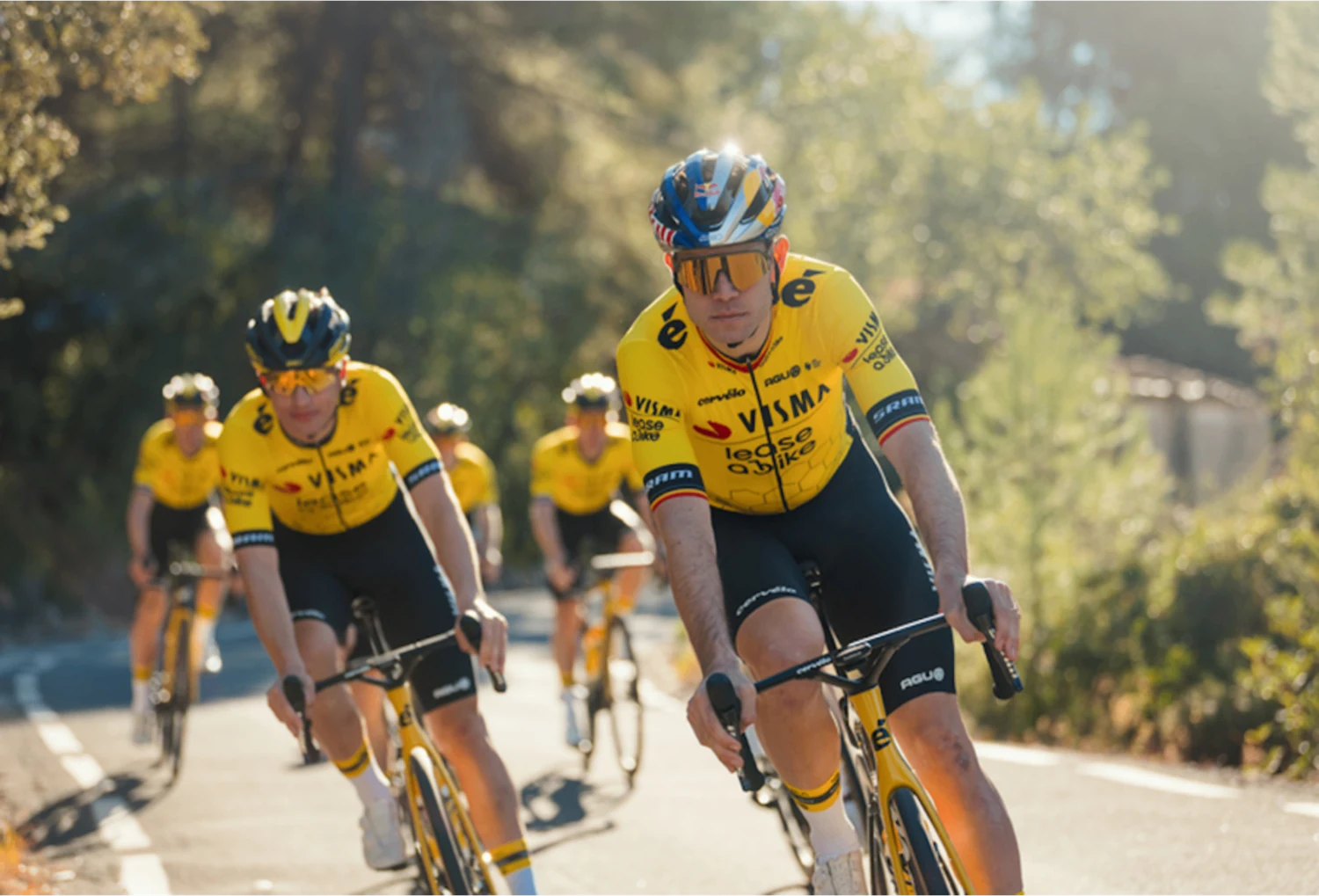
Counterfeit sports merchandise has become a direct commercial threat for teams, leagues, athletes and rights holders. Fake jerseys, unofficial fanwear and copycat products are no longer hidden in obscure corners of the internet. They appear on marketplaces, in Google results and across online stores where fans are actively searching for official products.
For fans, the experience is confusing. For brands, the impact is measurable: lost sales, weaker control over the customer journey and damage to trust.
Why sports merchandise is heavily targeted
Sports brands are emotional brands. Fans buy jerseys and merchandise because they feel connected to a team, athlete or moment. Counterfeiters exploit that demand by offering cheap, unauthorised products at the exact moment fans are searching online.
This creates a commercial gap. The brand generates the demand, but counterfeit sellers capture part of the transaction.
The Visma | Lease a Bike example
Visma | Lease a Bike, one of the leading teams in global cycling, partnered with Brandsolo to remove counterfeit seller links at scale and protect its official e commerce presence.
The challenge was clear: fake jerseys and merchandise were appearing across Google and online marketplaces, diverting revenue and creating confusion for fans.
With Brandsolo, thousands of counterfeit seller links were removed globally. Sales shifted back towards official channels, brand credibility improved and the team did not need to invest internal time or resources to manage the process.
“Brandsolo didn't just remove thousands of counterfeit listings, it helped us take back control over our brand and e commerce presence. Their proactive, hands on approach and ability to turn brand protection into a growth strategy has been a game changer for us.” — Tom Houtgraaf, Head of Marketing & E-commerce, Team Visma | Lease a Bike (October 2025).
Brand protection should drive growth, not just legal hygiene
Traditional brand protection is often treated as a defensive legal task. But in sports merchandise, the commercial upside is just as important. When counterfeit listings are removed, fans are more likely to find the official product first. That protects trust, improves the customer journey and helps recover revenue that should never have gone to fake sellers.
AI detection plus hands on enforcement
The Visma | Lease a Bike case also shows why AI alone is not enough. Detection matters, but enforcement, validation, follow up and marketplace knowledge are what create results. Brandsolo combines AI powered scanning with human expertise, making it possible to move fast without placing operational pressure on the client.
What sports brands should do next
- Map where fake jerseys and merchandise appear across marketplaces, Google and webshops.
- Identify which sellers and platforms are creating the most leakage.
- Prioritise removals based on commercial risk and visibility.
- Monitor continuously, because counterfeit sellers return quickly.
- Measure impact through official sales, cleaner search results and reduced fan confusion.
Counterfeit sports merchandise is not only a legal issue. It is a growth issue. The brands that act fastest protect more than their logos. They protect the fan relationship, the official sales channel and the long term value of their merchandise business.