Counterfeit goods and modern slavery: why brand protection is also a human rights issue
Cheap fakes do not only damage brands and sales. They often fuel organised crime, unsafe supply chains and human exploitation. Brands have more power to act than most people realise.
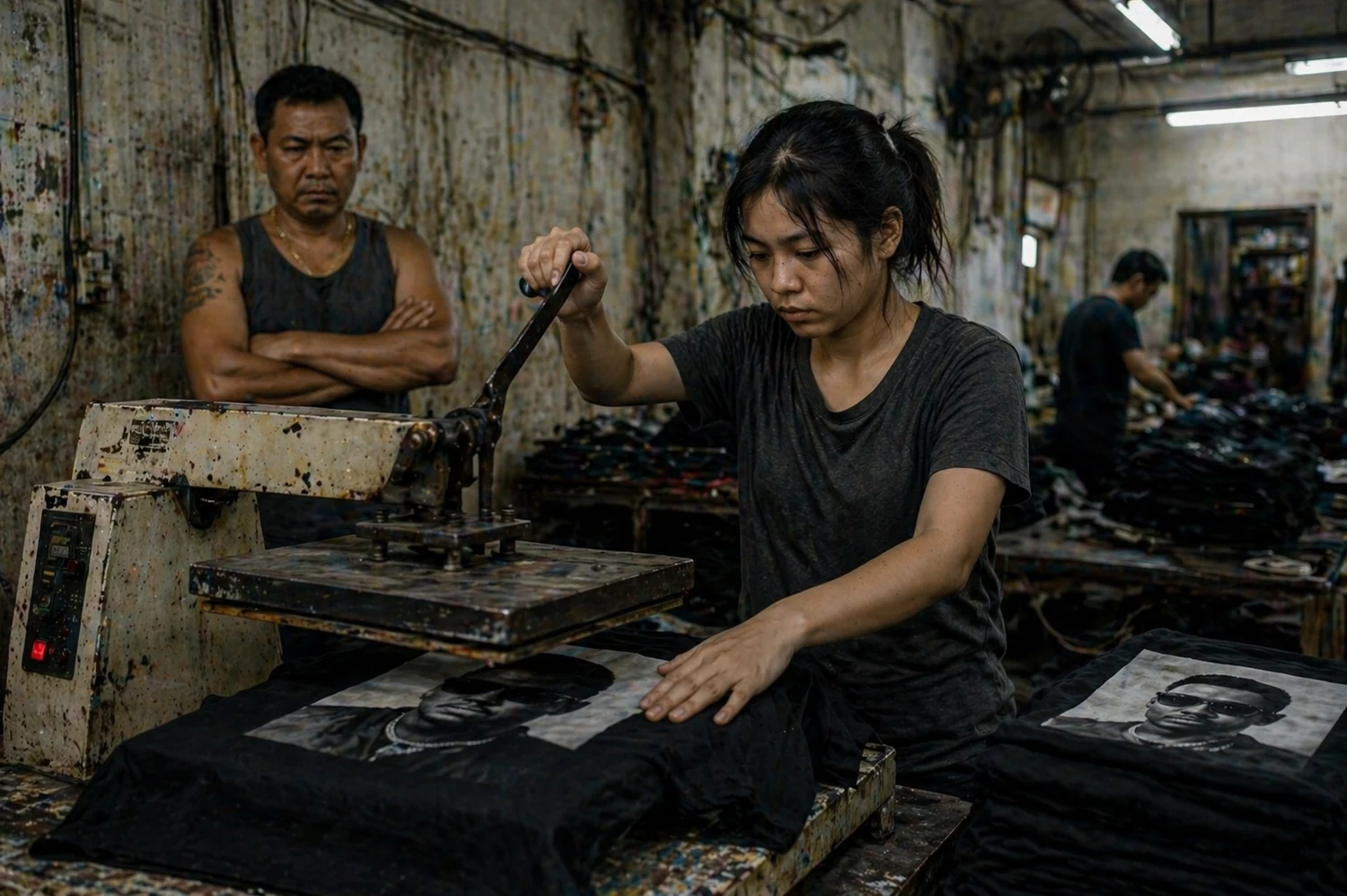
Most people still see fake products as harmless cheap alternatives. A fake shirt, fake bag, fake toy or fake piece of merchandise may look like a small online purchase.
But behind many counterfeit products sits a much darker system.
Counterfeits do not only hurt brand owners. They can fund organised crime, exploit vulnerable workers, avoid safety standards and keep illegal supply chains alive. For brands that care about ethics, sustainability and human dignity, this makes brand protection much more than an IP issue.
It becomes a responsibility.
The hidden cost of cheap fakes
Counterfeit products are often sold as harmless bargains. In reality, they are usually produced outside normal legal, labour and safety frameworks.
That means no verified factories. No proper worker protection. No quality control. No tax contribution. No accountability when something goes wrong.
For consumers, this can mean unsafe products. For brands, it means lost sales, damaged trust and loss of control. For society, it means criminal networks are rewarded while legitimate businesses and workers are undercut.
Why this matters for brands
A brand is not only judged by what it sells. It is judged by what it allows to happen around its products, its name and its customers.
When fake products dominate marketplaces, search results, social ads or scam websites, customers often cannot tell what is real. They may buy poor quality products, lose money to scam stores or unknowingly support illegal supply chains.
That creates three problems at once:
- Revenue leakage, because demand is captured by counterfeit sellers.
- Brand damage, because customers associate bad experiences with the real brand.
- Ethical exposure, because the brand’s name is being used to support illegal supply chains.
Online marketplaces made the problem scalable
Counterfeit trade used to be more visible. Now it has moved online at scale.
A single seller can list thousands of fake products across marketplaces, webshops, search and social channels. Scam domains can copy a brand within days. AI accelerates this even further.
Brands cannot rely on manual checks. Protection needs to be always-on.
Brand protection as ESG action
Many brands invest in sustainability and responsible sourcing. But if counterfeit sellers profit from their demand online, part of that position is exposed.
Brand protection should be part of ESG, not as a claim, but as enforcement.
Detect the fake supply. Remove listings. Take down scam domains. Reduce visibility of illegal sellers.
This is how brands turn values into action.
How Brandsolo helps
Brandsolo detects and removes counterfeit products, scam domains and impersonators across marketplaces, search, social and the open web.
We combine AI-first scanning, evidence collection, human validation and rapid takedown execution at scale.
For clients, this protects revenue, reduces customer confusion and weakens the infrastructure that counterfeit sellers rely on.
Brands have more power than they think
No brand can solve this globally.
But every brand can stop its own demand from being exploited.
With visibility and consistent enforcement, counterfeit sellers lose reach, revenue and momentum.
Real brand value is not only measured by what a company sells, but also by what it refuses to support.